Formal Garden with Fountain
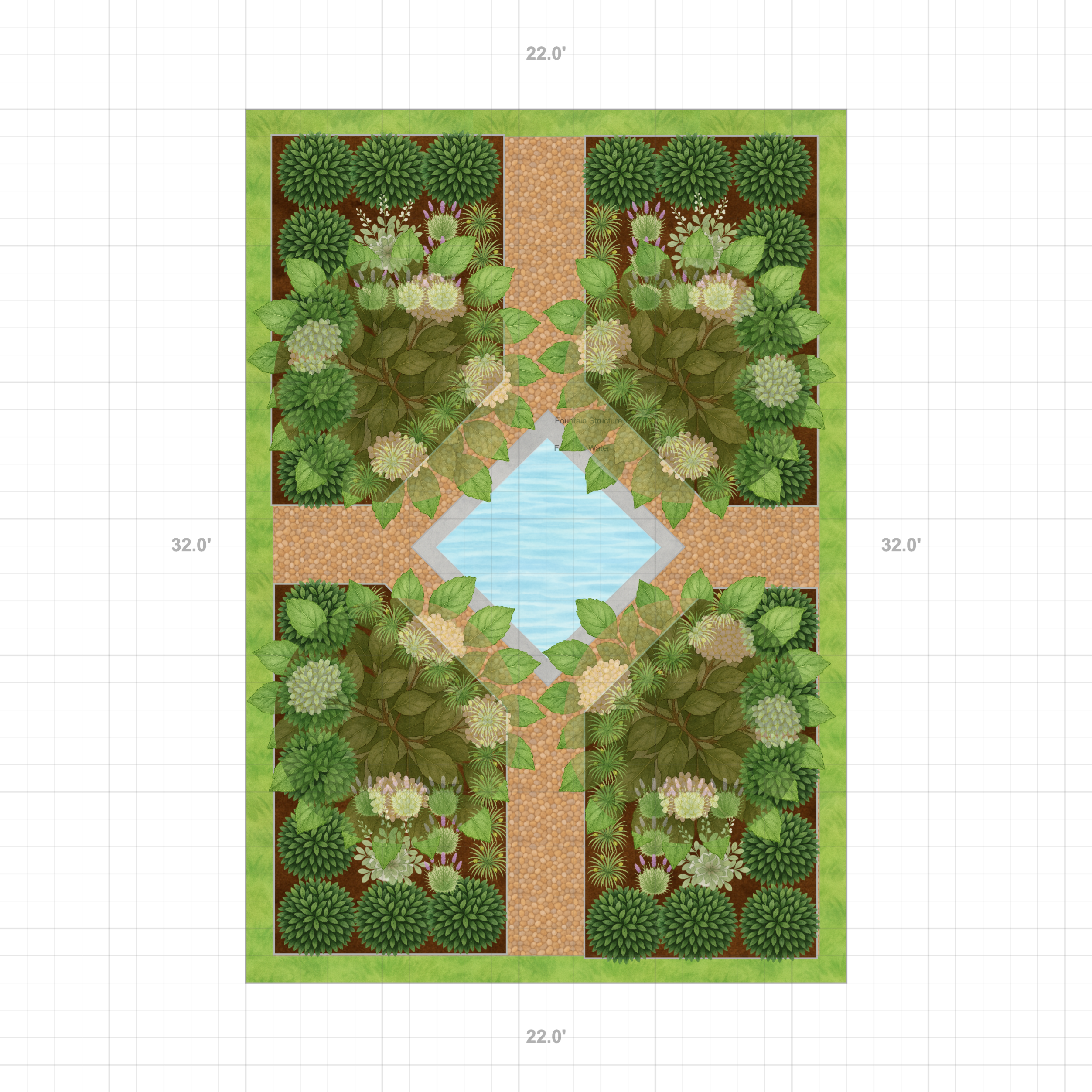
Formal Garden with Fountain
Garden Project Plan
96
Total Plants
5
Plant Species
4
Garden Plots
704 ft2
Total Area
Garden Plan
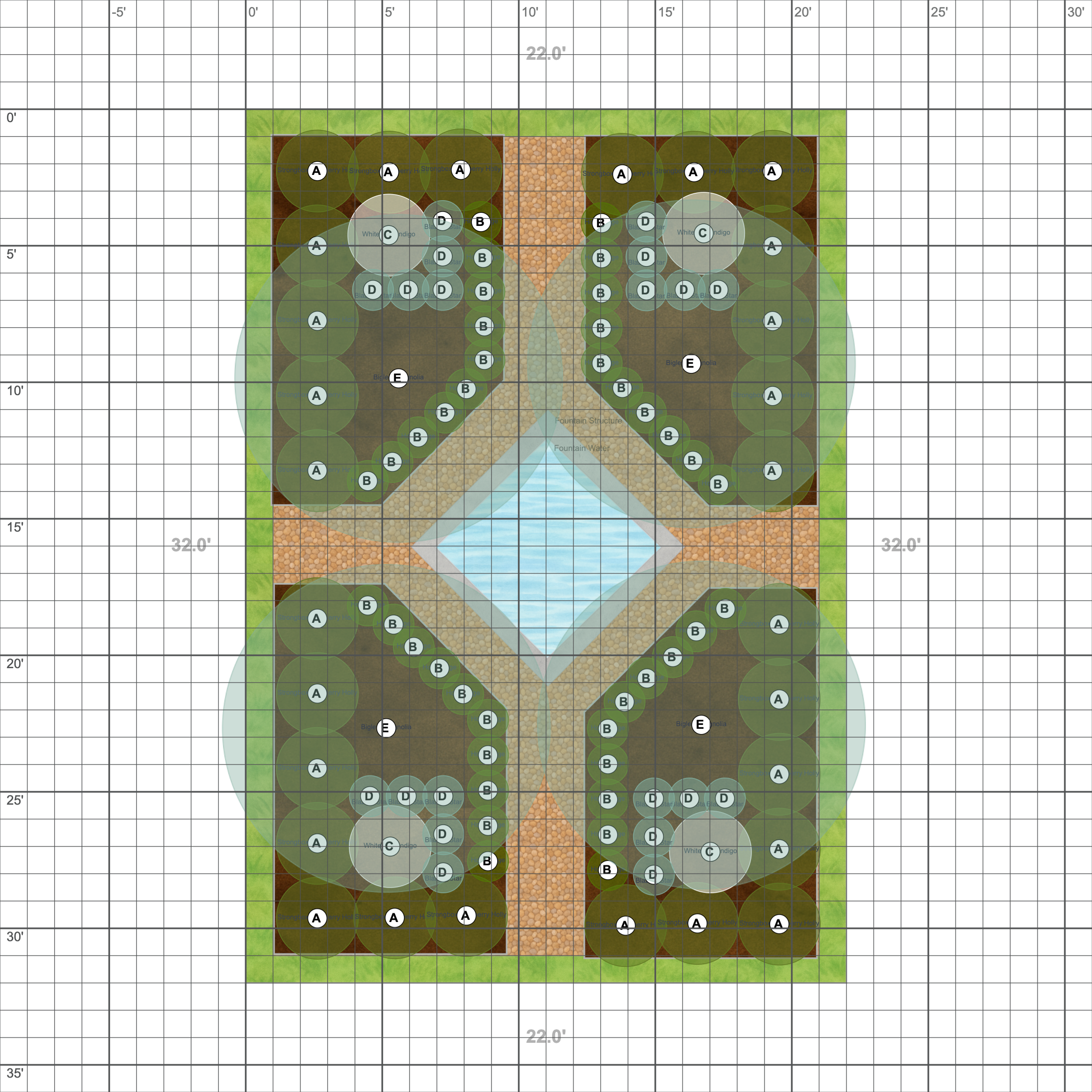
Garden Preview
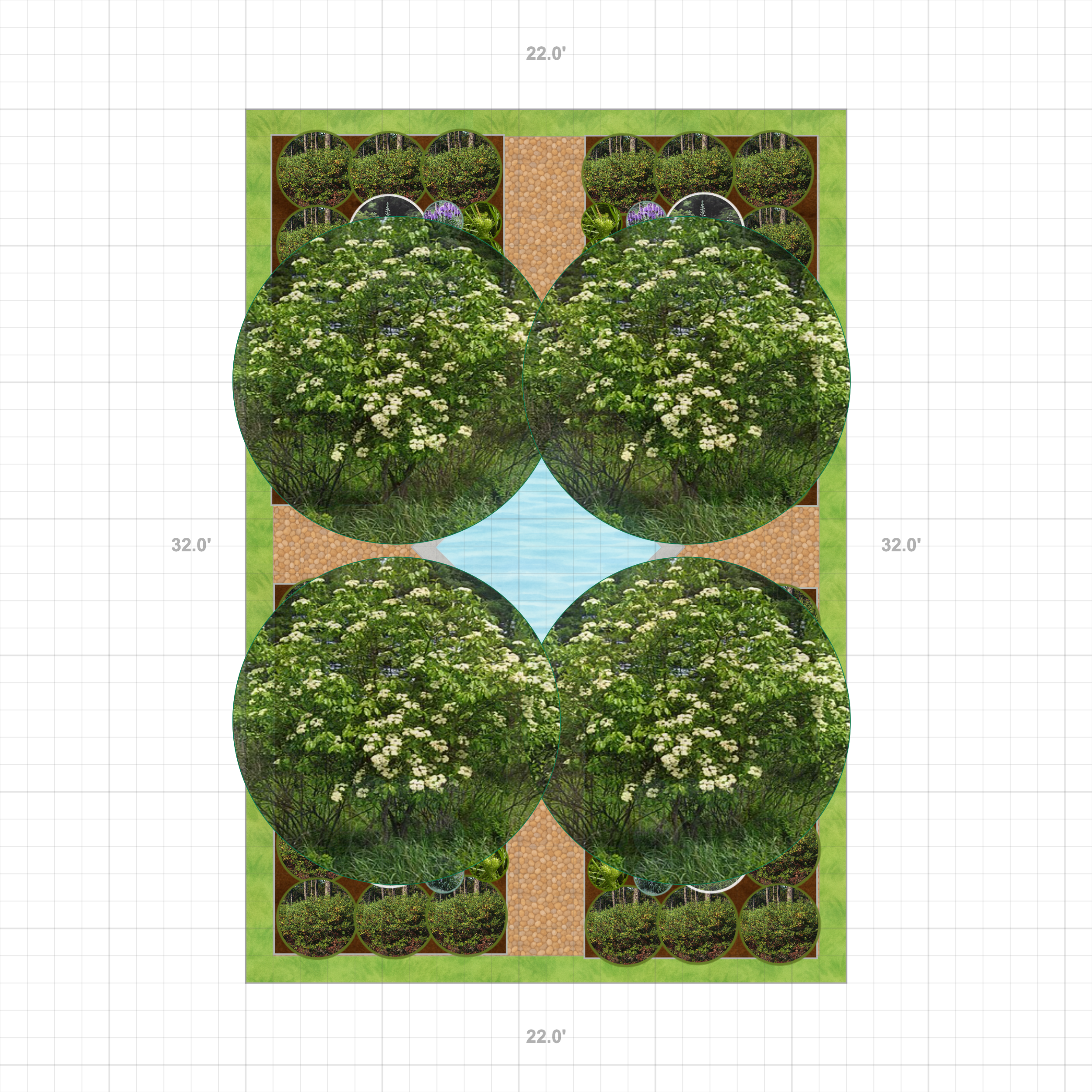
Bill of Materials
| Plant Name | Scientific Name | Alternate Names | Type | Quantity | Check |
|---|---|---|---|---|---|
| Dense Blazing Star | Liatris spicata | Blazing Star, Marsh Blazing Star, Spike Gayfeather, Gayfeather | Perennial | 19 | |
| Hop Sedge | Carex lupulina | Hop-like Sedge, Sedge of the Hops | Grass | 40 | |
| Nannyberry | Viburnum lentago | Sheepberry, Sweet Viburnum | Shrub | 4 | |
| Strongbox® Inkberry Holly | Ilex glabra 'FARROWSK6' | Strongbox Inkberry Holly, Inkberry, Gallberry | Shrub | 28 | |
| White Wild Indigo | Baptisia alba | White False Indigo, Atlantic Wild Indigo | Perennial | 4 |
Mulch Estimation
Based on surfaces with pattern type wood-chips or soil.
Hardscape Area
| Surface Type | Area (sq ft) |
|---|---|
| pea-gravel | 600.00 |
| concrete | 50.00 |
| Total | 650.00 |
Monthly Bloom Schedule
| Plant | Jan | Feb | Mar | Apr | May | Jun | Jul | Aug | Sep | Oct | Nov | Dec |
|---|---|---|---|---|---|---|---|---|---|---|---|---|
Dense Blazing Star Purple, Pink | ||||||||||||
 Hop Sedge Green, Brown | ||||||||||||
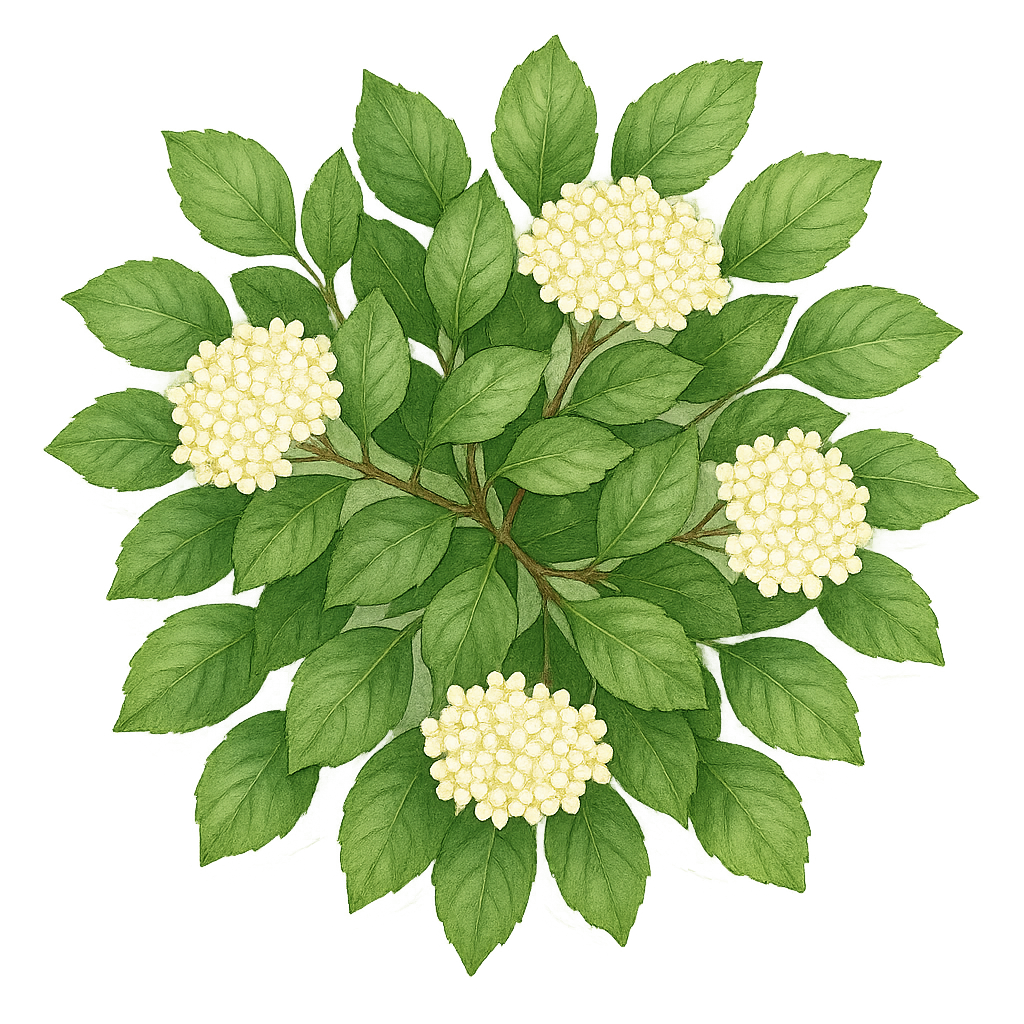 Nannyberry White | ||||||||||||
 Strongbox® Inkberry Holly White | ||||||||||||
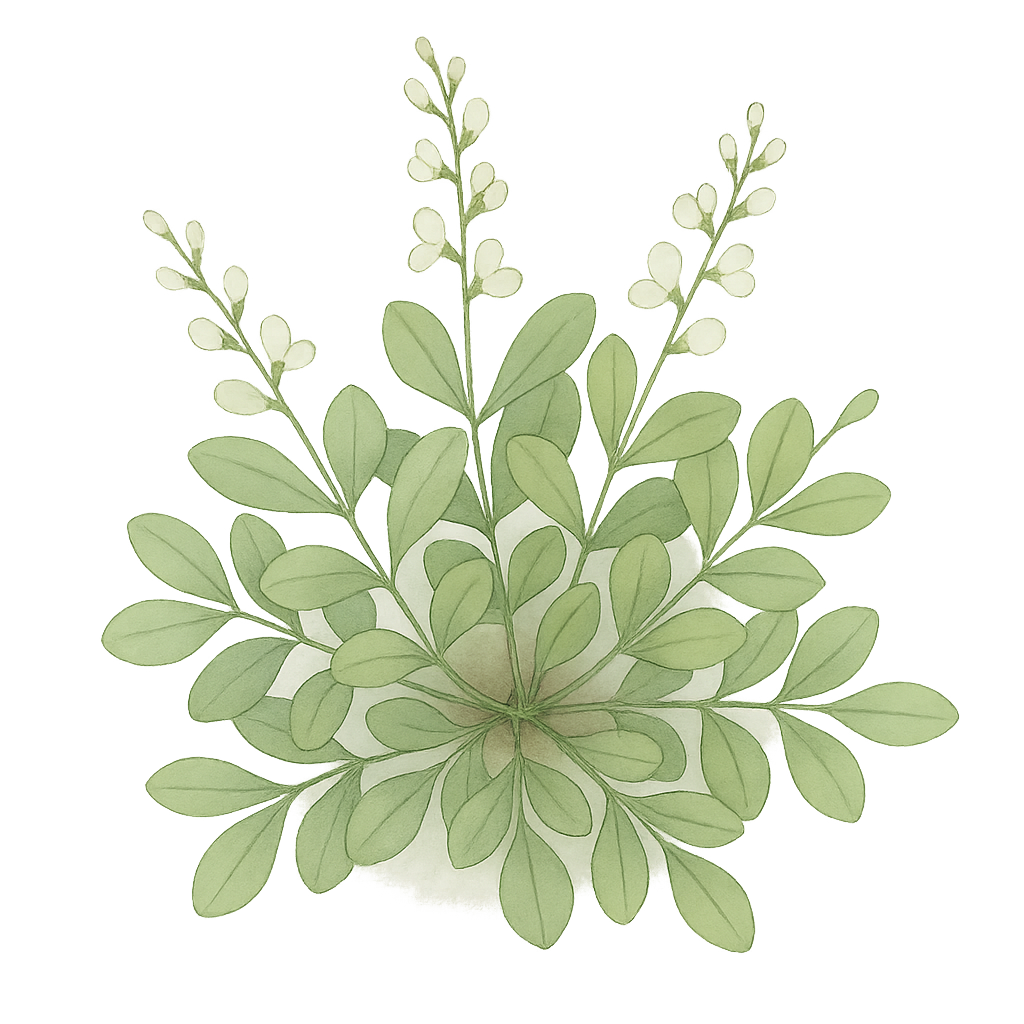 White Wild Indigo White |
Biodiversity Impact
Have Wildlife
Benefits
Sq ft area of plants with wildlife benefits
Sq ft area of plants without wildlife benefits
Area Coverage of Wildlife Benefits
The estimated number of species your garden can support is based on the species–area relationship, an ecological principle that describes how biodiversity increases with available habitat. The model follows the equation:
Stotal = c1 Anativez + c2 Apollinatorz
where A is garden area (ft2),c1 is baseline species richness for native plants,c2 is baseline species richness for pollinator-friendly plants, and z is scaling exponent (0.25 as is common in ecological studies)
Estimated Species Supported
10.30
Plot: Top Left
Strongbox® Inkberry Holly
Qty: 7Ilex glabra 'FARROWSK6'
Type: Shrub
Bloom: May, June
Colors: White
Wildlife: Good for pollinators, Food for birds, Deer resistant
Hop Sedge
Qty: 10Carex lupulina
Type: Grass
Bloom: May, June
Colors: Green, Brown
Wildlife: Food for birds
Nannyberry
Qty: 1Viburnum lentago
Type: Shrub
Bloom: May, June
Colors: White
Wildlife: Good for pollinators, Food for birds
White Wild Indigo
Qty: 1Baptisia alba
Type: Perennial
Bloom: May, June
Colors: White
Wildlife: Good for pollinators, Deer resistant
Dense Blazing Star
Qty: 5Liatris spicata
Type: Perennial
Bloom: July, August, September
Colors: Purple, Pink
Wildlife: Good for pollinators, Attracts hummingbirds, Food for birds, Deer resistant
Plot: Top Right
Strongbox® Inkberry Holly
Qty: 7Ilex glabra 'FARROWSK6'
Type: Shrub
Bloom: May, June
Colors: White
Wildlife: Good for pollinators, Food for birds, Deer resistant
Hop Sedge
Qty: 10Carex lupulina
Type: Grass
Bloom: May, June
Colors: Green, Brown
Wildlife: Food for birds
White Wild Indigo
Qty: 1Baptisia alba
Type: Perennial
Bloom: May, June
Colors: White
Wildlife: Good for pollinators, Deer resistant
Dense Blazing Star
Qty: 4Liatris spicata
Type: Perennial
Bloom: July, August, September
Colors: Purple, Pink
Wildlife: Good for pollinators, Attracts hummingbirds, Food for birds, Deer resistant
Nannyberry
Qty: 1Viburnum lentago
Type: Shrub
Bloom: May, June
Colors: White
Wildlife: Good for pollinators, Food for birds
Plot: Bottom Left
Strongbox® Inkberry Holly
Qty: 7Ilex glabra 'FARROWSK6'
Type: Shrub
Bloom: May, June
Colors: White
Wildlife: Good for pollinators, Food for birds, Deer resistant
Hop Sedge
Qty: 10Carex lupulina
Type: Grass
Bloom: May, June
Colors: Green, Brown
Wildlife: Food for birds
White Wild Indigo
Qty: 1Baptisia alba
Type: Perennial
Bloom: May, June
Colors: White
Wildlife: Good for pollinators, Deer resistant
Dense Blazing Star
Qty: 5Liatris spicata
Type: Perennial
Bloom: July, August, September
Colors: Purple, Pink
Wildlife: Good for pollinators, Attracts hummingbirds, Food for birds, Deer resistant
Nannyberry
Qty: 1Viburnum lentago
Type: Shrub
Bloom: May, June
Colors: White
Wildlife: Good for pollinators, Food for birds
Plot: Bottom Right
Strongbox® Inkberry Holly
Qty: 7Ilex glabra 'FARROWSK6'
Type: Shrub
Bloom: May, June
Colors: White
Wildlife: Good for pollinators, Food for birds, Deer resistant
Hop Sedge
Qty: 10Carex lupulina
Type: Grass
Bloom: May, June
Colors: Green, Brown
Wildlife: Food for birds
White Wild Indigo
Qty: 1Baptisia alba
Type: Perennial
Bloom: May, June
Colors: White
Wildlife: Good for pollinators, Deer resistant
Dense Blazing Star
Qty: 5Liatris spicata
Type: Perennial
Bloom: July, August, September
Colors: Purple, Pink
Wildlife: Good for pollinators, Attracts hummingbirds, Food for birds, Deer resistant
Nannyberry
Qty: 1Viburnum lentago
Type: Shrub
Bloom: May, June
Colors: White
Wildlife: Good for pollinators, Food for birds
Plant Appendix
Complete plant information organized alphabetically
Dense Blazing Star
Liatris spicata
Also known as: Blazing Star, Marsh Blazing Star, Spike Gayfeather, Gayfeather
Liatris spicata is an upright, clump-forming herbaceous perennial native to eastern and central North America, producing tall wand-like spikes of rose-purple to magenta florets that open from top to bottom, blooming July through September. It grows from a corm-like rootstock and produces narrow, grass-like basal foliage that remains attractive throughout the growing season. Best grown in full sun with average to moist, well-drained soils; it tolerates clay and is highly attractive to butterflies, bees, and hummingbirds.
Basic Information
Plant Type: Perennial
Winter Appearance: Herbaceous
Native Status: Straight Native
Hardiness Zones: Zone 3, Zone 4, Zone 5, Zone 6, Zone 7, Zone 8, Zone 9
Dimensions
Height: 2.0' - 5.0'
Width: 1.0' - 2.0'
Bloom Time: July, August, September
Bloom Colors: Purple, Pink
Foliage Colors: Green
Growing Requirements
Light Requirements: Full sun, Part sun
Soil Moisture: Moist, Dry
Soil pH: Acid, Neutral
Soil Composition: Average, Clay, Loam, Sand
Characteristics
Features: Cut flowers, Drought tolerant
Wildlife Benefits: Good for pollinators, Attracts hummingbirds, Food for birds, Deer resistant
Landscape Uses: Border, Specimen plant, Container plant
Growth Behaviors: Clump-Forming, Self-Seeding
Hop Sedge
Carex lupulina
Also known as: Hop-like Sedge, Sedge of the Hops
Hop Sedge is a robust, clump-forming sedge with broad, bright-green leaves and distinctive hop-like fruiting spikes (perigynia) that give it its common name. It thrives in wet to moist, shaded or partially shaded habitats such as floodplain forests, stream banks, and pond margins, blooming from late spring to early summer (May–June). Plant in consistently moist to wet, rich or average soil in part shade to full shade for best performance; it is not drought tolerant.
Basic Information
Plant Type: Grass
Winter Appearance: Herbaceous
Native Status: Straight Native
Hardiness Zones: Zone 3, Zone 4, Zone 5, Zone 6, Zone 7, Zone 8
Dimensions
Height: 1.5' - 4.0'
Width: 1.0' - 2.0'
Bloom Time: May, June
Bloom Colors: Green, Brown
Foliage Colors: Green
Growing Requirements
Light Requirements: Part sun, Part shade, Full shade
Soil Moisture: Moist, Wet
Soil pH: Acid, Neutral
Soil Composition: Average, Clay, Loam, Rich
Characteristics
Features: Striking foliage
Wildlife Benefits: Food for birds
Landscape Uses: Groundcover, Border
Growth Behaviors: Clump-Forming, Self-Seeding
Nannyberry
Viburnum lentago
Also known as: Sheepberry, Sweet Viburnum
Nannyberry is a deciduous large shrub or small tree native to eastern North America, producing flat-topped clusters of creamy white flowers in late spring (May–June), followed by blue-black drupes relished by birds. It typically reaches 10–18 feet tall with a similar spread, tolerating a range of light conditions from full sun to part shade and preferring moist, well-drained soils. It can spread by suckering to form thickets and works well as a hedge, screen, or naturalized planting.
Basic Information
Plant Type: Shrub
Winter Appearance: Deciduous
Native Status: Straight Native
Hardiness Zones: Zone 2, Zone 3, Zone 4, Zone 5, Zone 6, Zone 7, Zone 8
Dimensions
Height: 10.0' - 18.0'
Width: 8.0' - 18.0'
Bloom Time: May, June
Bloom Colors: White
Foliage Colors: Green, Red
Growing Requirements
Light Requirements: Full sun, Part sun, Part shade
Soil Moisture: Moist, Wet
Soil pH: Acid, Neutral, Alkaline
Soil Composition: Average, Clay, Loam, Rich
Characteristics
Features: Fragrant flowers, Berries or fruit, Striking foliage
Wildlife Benefits: Good for pollinators, Food for birds
Landscape Uses: Border, Hedge, Specimen plant
Growth Behaviors: Colonizing, Self-Seeding
Strongbox® Inkberry Holly
Ilex glabra 'FARROWSK6'
Also known as: Strongbox Inkberry Holly, Inkberry, Gallberry
Strongbox® Inkberry Holly is a compact, dense evergreen shrub with glossy dark green foliage and a naturally rounded form, typically growing 2–4 feet tall and wide. Small white flowers appear in late spring (May–June), followed by persistent black drupes that provide winter wildlife interest. Plant in moist, acidic soil in full sun to part shade; it tolerates wet conditions and is well-suited to rain gardens and foundation plantings.
Basic Information
Plant Type: Shrub
Winter Appearance: Evergreen
Native Status: Nativar
Hardiness Zones: Zone 5, Zone 6, Zone 7, Zone 8, Zone 9
Dimensions
Height: 2.0' - 4.0'
Width: 2.0' - 4.0'
Bloom Time: May, June
Bloom Colors: White
Foliage Colors: Green
Growing Requirements
Light Requirements: Full sun, Part sun, Part shade
Soil Moisture: Moist, Wet
Soil pH: Acid
Soil Composition: Average, Clay, Loam, Rich
Characteristics
Features: Berries or fruit, Striking foliage
Wildlife Benefits: Good for pollinators, Food for birds, Deer resistant
Landscape Uses: Border, Hedge, Foundation planting, Container plant, Specimen plant
Growth Behaviors: Clump-Forming
Warnings: Toxic to humans, Toxic to pets
White Wild Indigo
Baptisia alba
Also known as: White False Indigo, Atlantic Wild Indigo
White Wild Indigo is an upright, clump-forming herbaceous perennial native to the eastern and central United States, producing showy spikes of white pea-like flowers in late spring to early summer (May–June). It grows 24–48 inches tall with blue-green foliage that remains attractive through the season, and develops ornamental dark seed pods in late summer. Plant in full sun to part sun in well-drained, average to poor soils; it is slow to establish but long-lived and drought tolerant once mature.
Basic Information
Plant Type: Perennial
Winter Appearance: Herbaceous
Native Status: Straight Native
Hardiness Zones: Zone 4, Zone 5, Zone 6, Zone 7, Zone 8, Zone 9
Dimensions
Height: 2.0' - 4.0'
Width: 2.0' - 3.0'
Bloom Time: May, June
Bloom Colors: White
Foliage Colors: Green, Blue
Growing Requirements
Light Requirements: Full sun, Part sun
Soil Moisture: Moist, Dry
Soil pH: Acid, Neutral
Soil Composition: Average, Poor, Clay, Loam, Sand
Characteristics
Features: Cut flowers, Drought tolerant, Berries or fruit
Wildlife Benefits: Good for pollinators, Deer resistant
Landscape Uses: Border, Specimen plant
Growth Behaviors: Clump-Forming, Self-Seeding
Warnings: Toxic to humans, Toxic to pets